
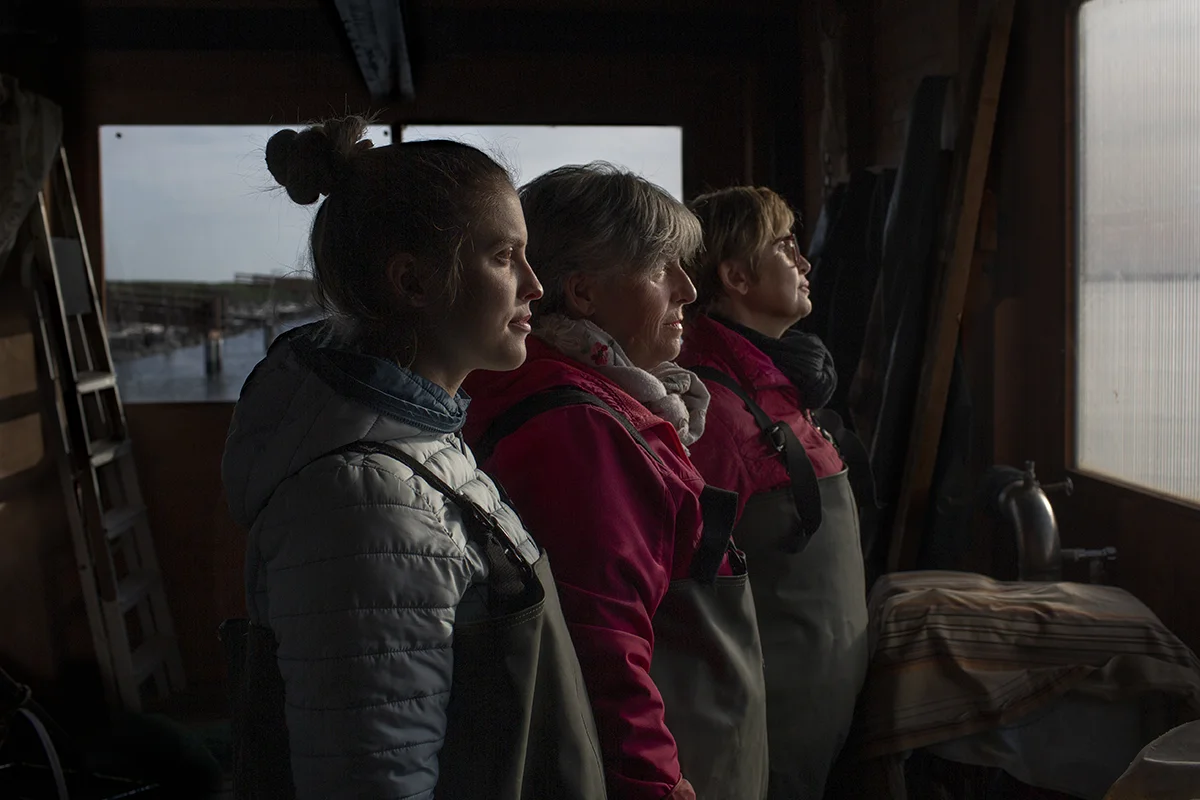
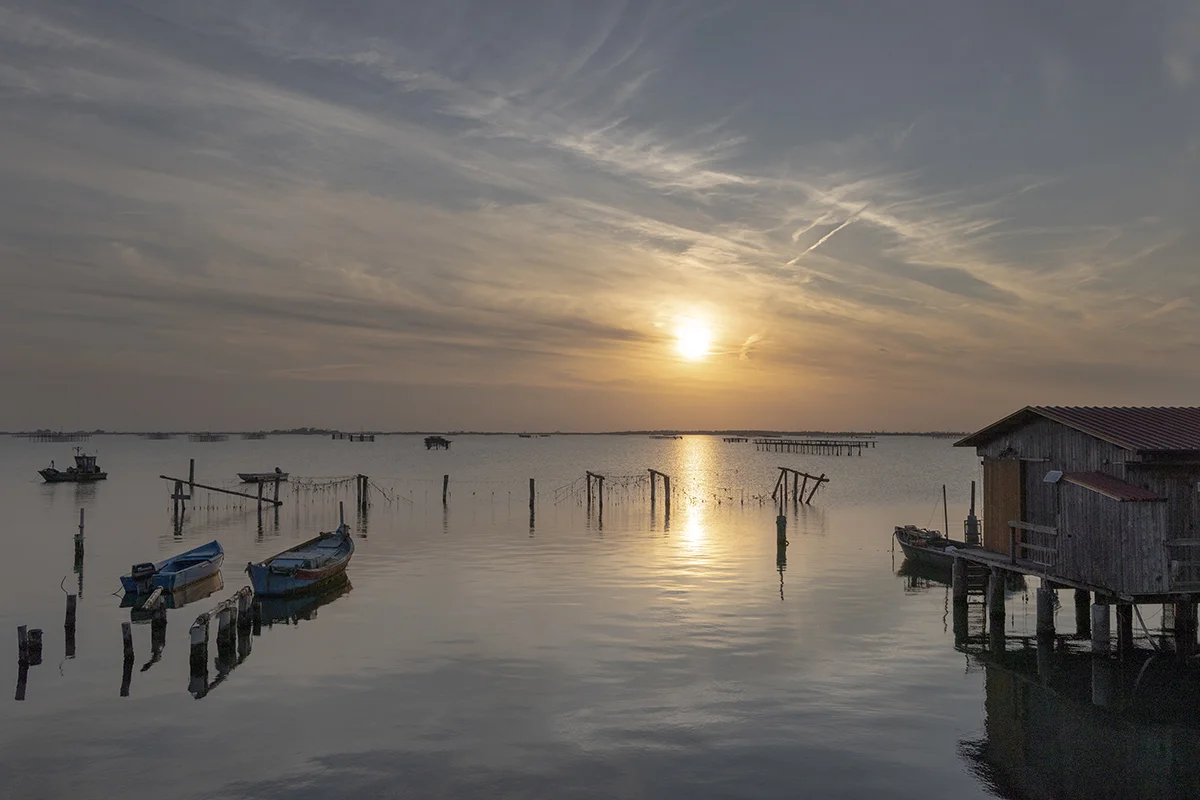
Like The Tide started as a story of silent but constant journey through a cultural change for three generations of women, a story of equity and social justice through the challenge of work. The area of the Po Delta was a poor region, bent by post Second World War disease and numerous floods. People were mainly engaged in fishing and agriculture, which resulted in low income. In the late 1980s, a major crisis in the textile industry that had developed in the region further exacerbated the situation. The crash led to massive loss of jobs, especially for women, many of whom were employed in laboratories as seamstresses.
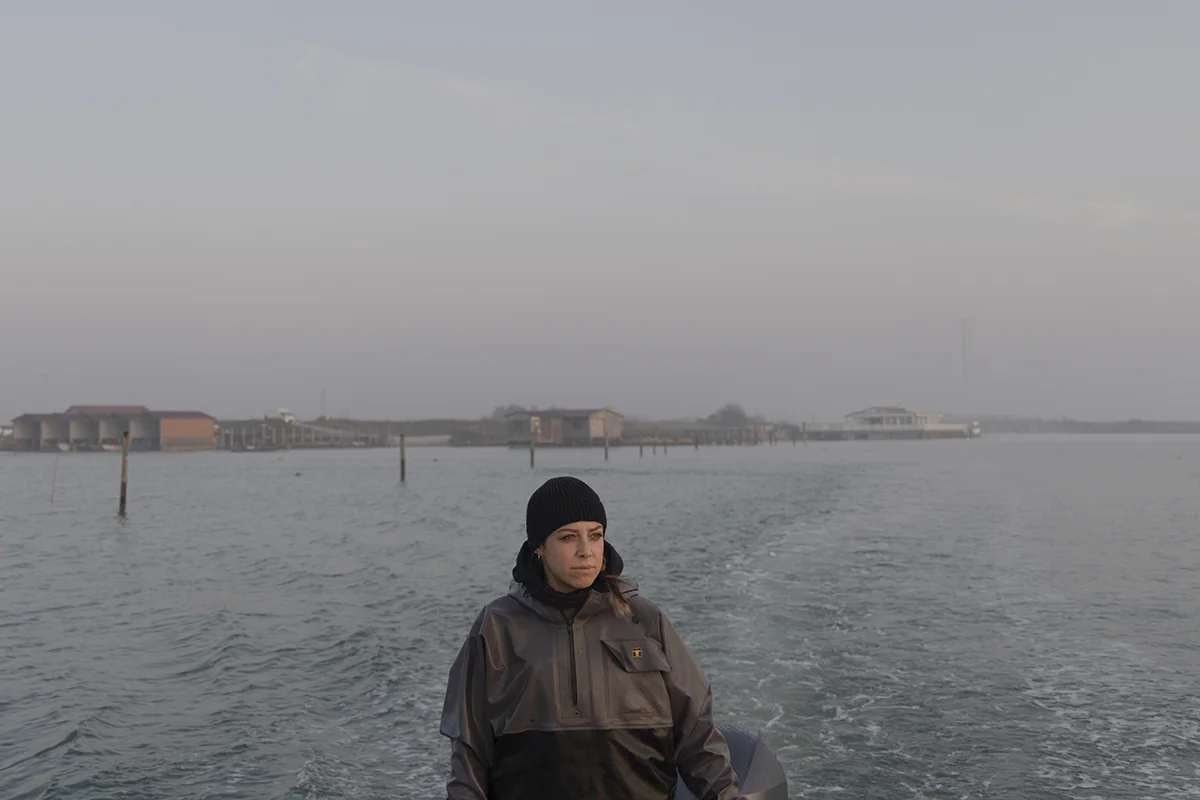
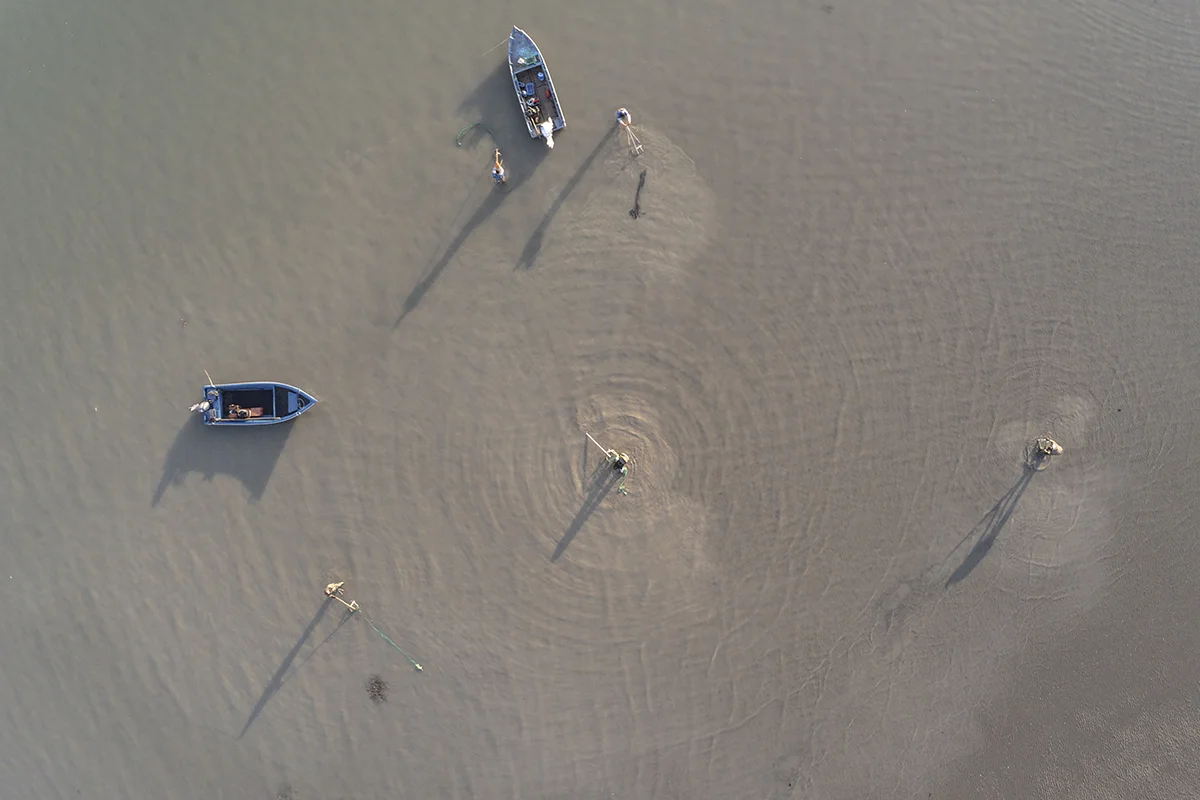
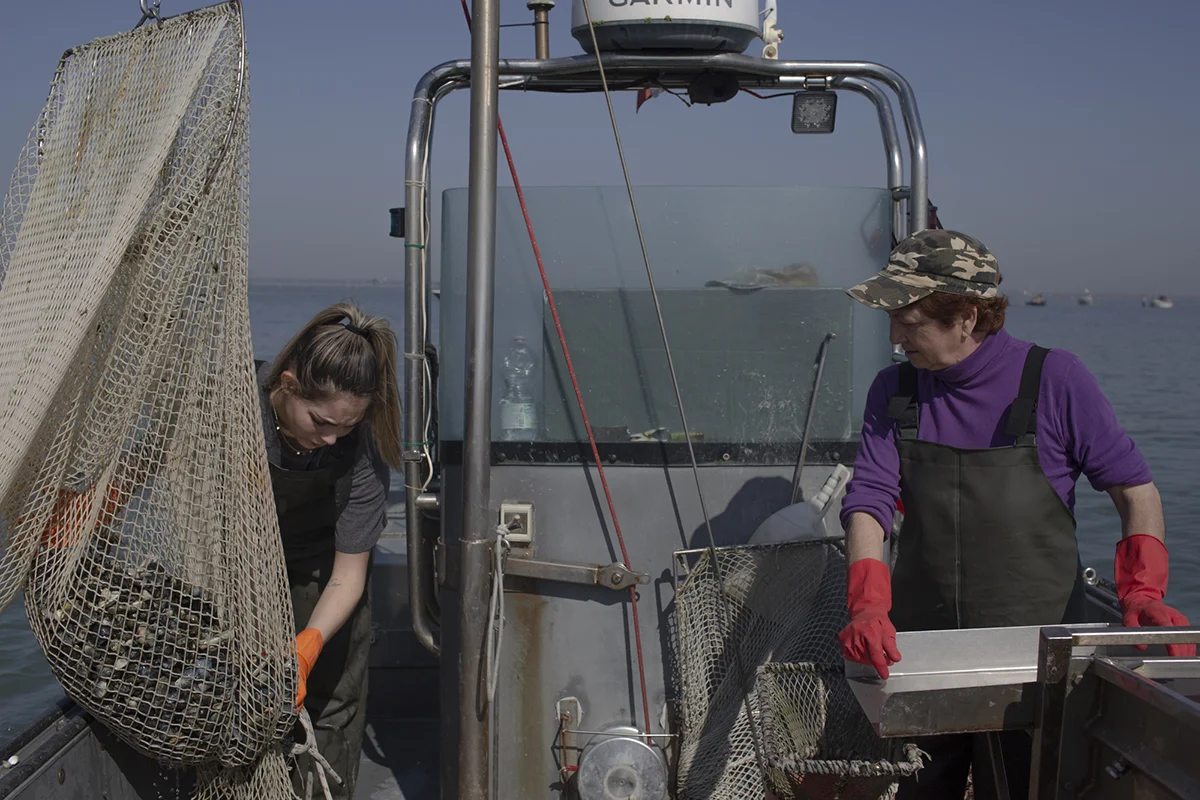
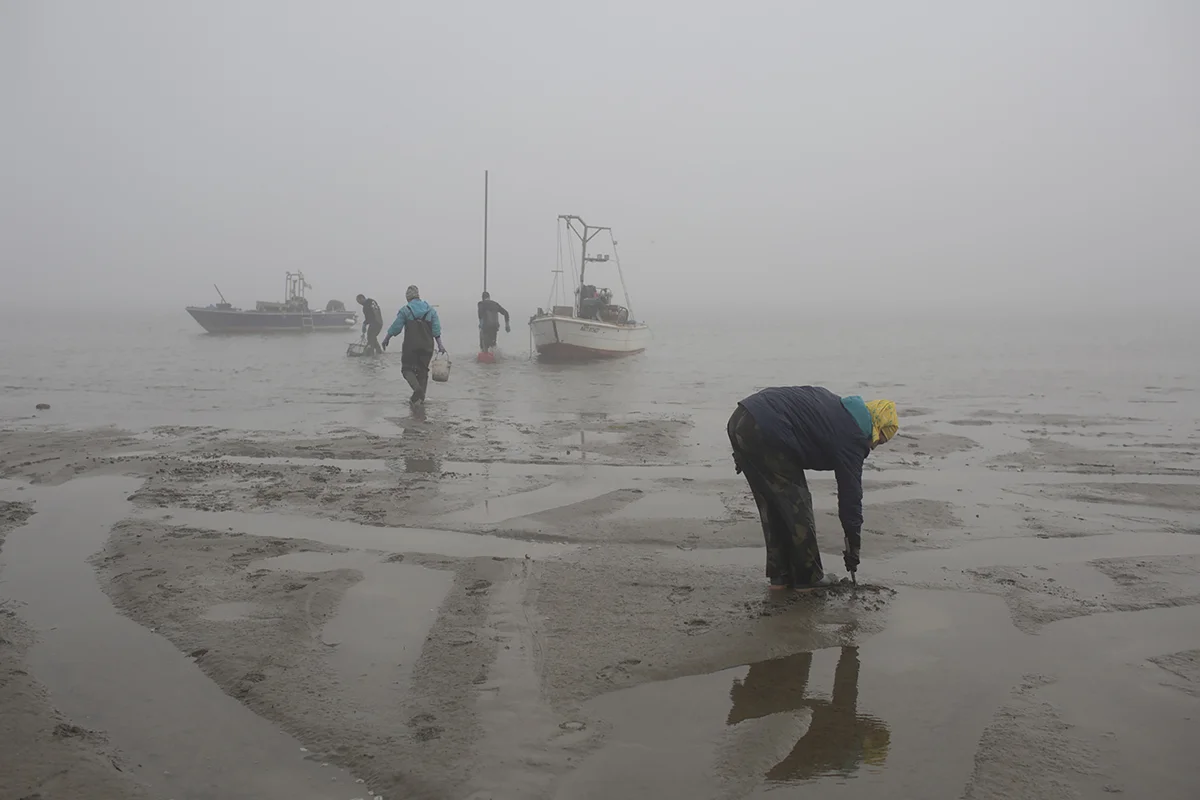
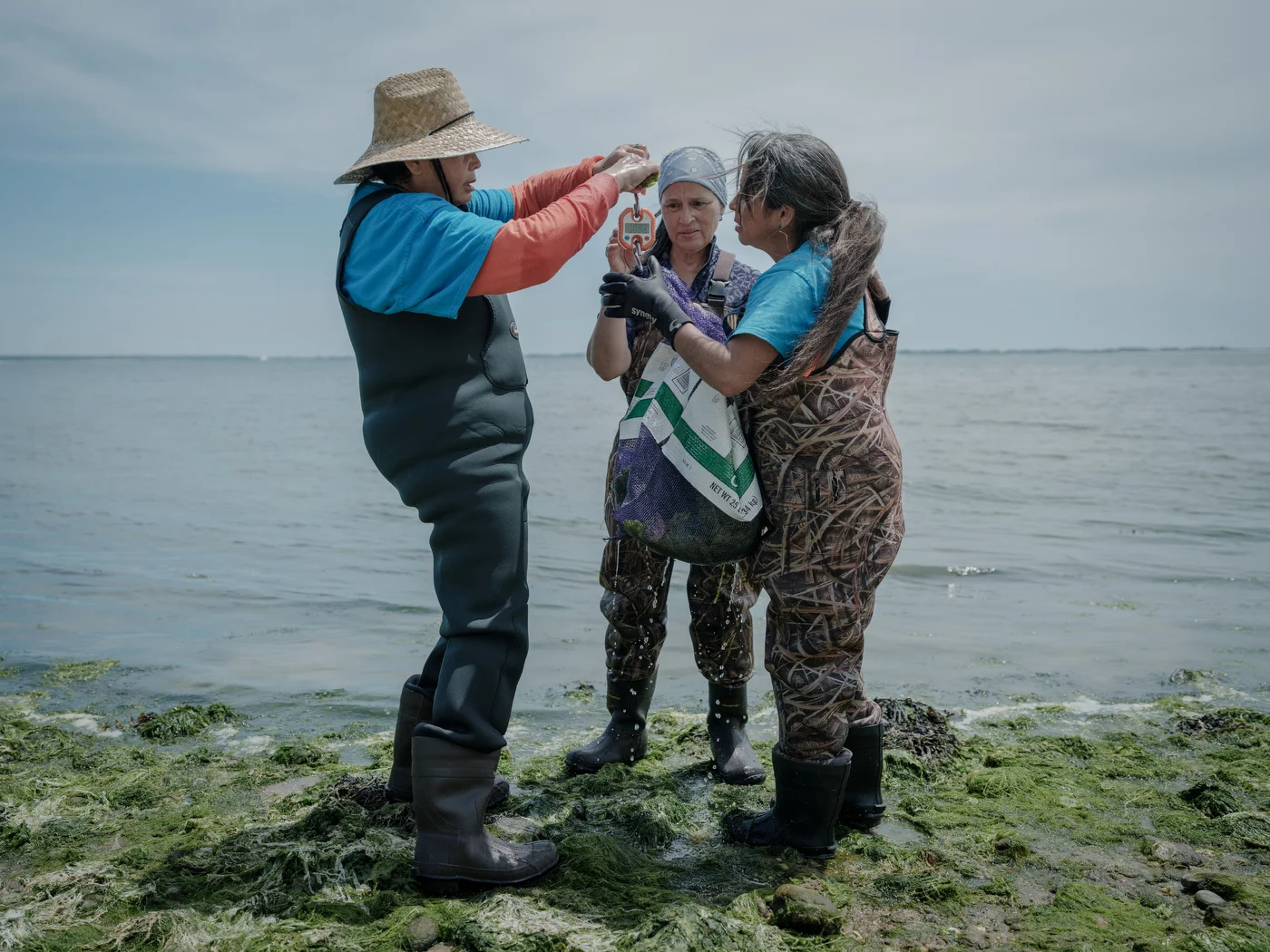
In the same year clams were beginning to be seeded in the waters of the delta. The industry started growing and fishing for these mussels became the path to recovery for the region and the economy of the surrounding area. From that moment a revolution begins, transforming the social structure of an entire community: in a break with tradition and from the past, women, previously employed in textile factories, reinvent themselves in clam fishing facing a traditionally male physical effort. For decades, this profession has been passed down to sons as well as daughters.
Slowly women became a visible and integral part of an industry that was once reserved for men. Entire families depended on clams for their survival. On the water, it was common to see them working side by side: mothers with daughters, sisters alongside brothers, wives alongside husbands and fathers. What initially drew me to this profession became only one layer of the story when I realized that these bonds extended far beyond the water.
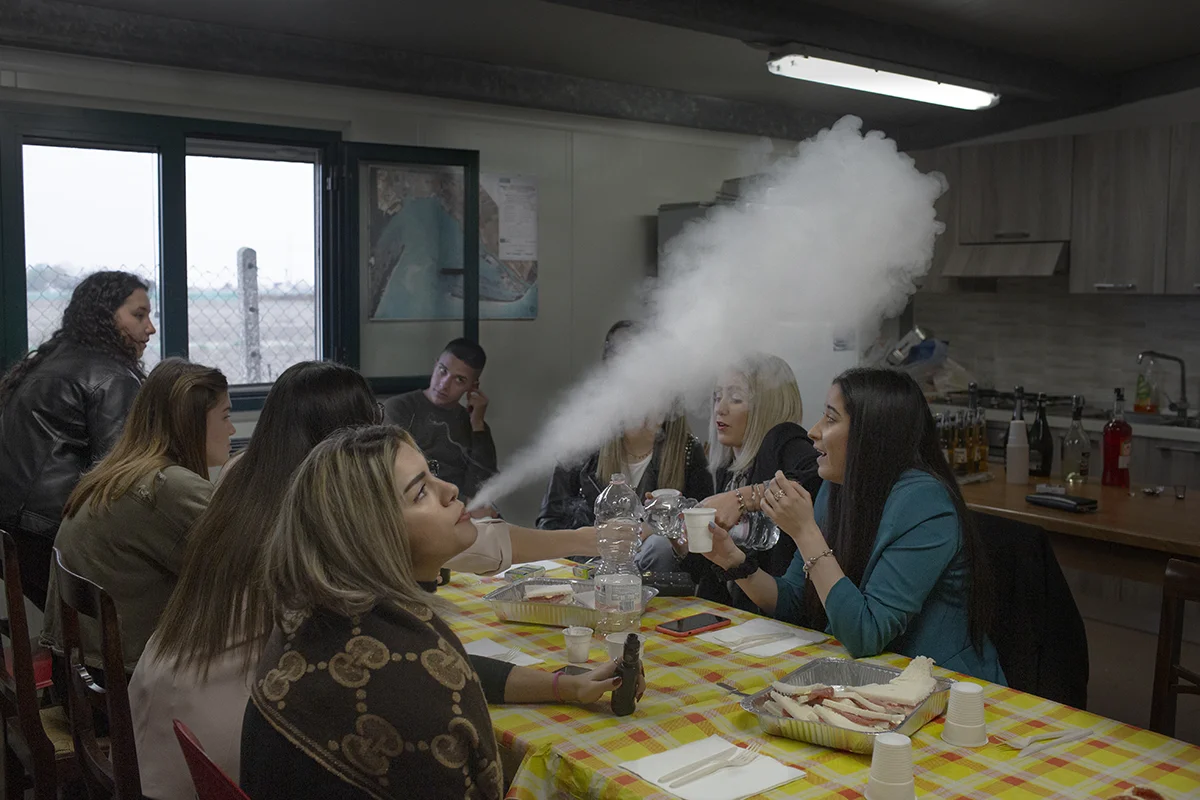
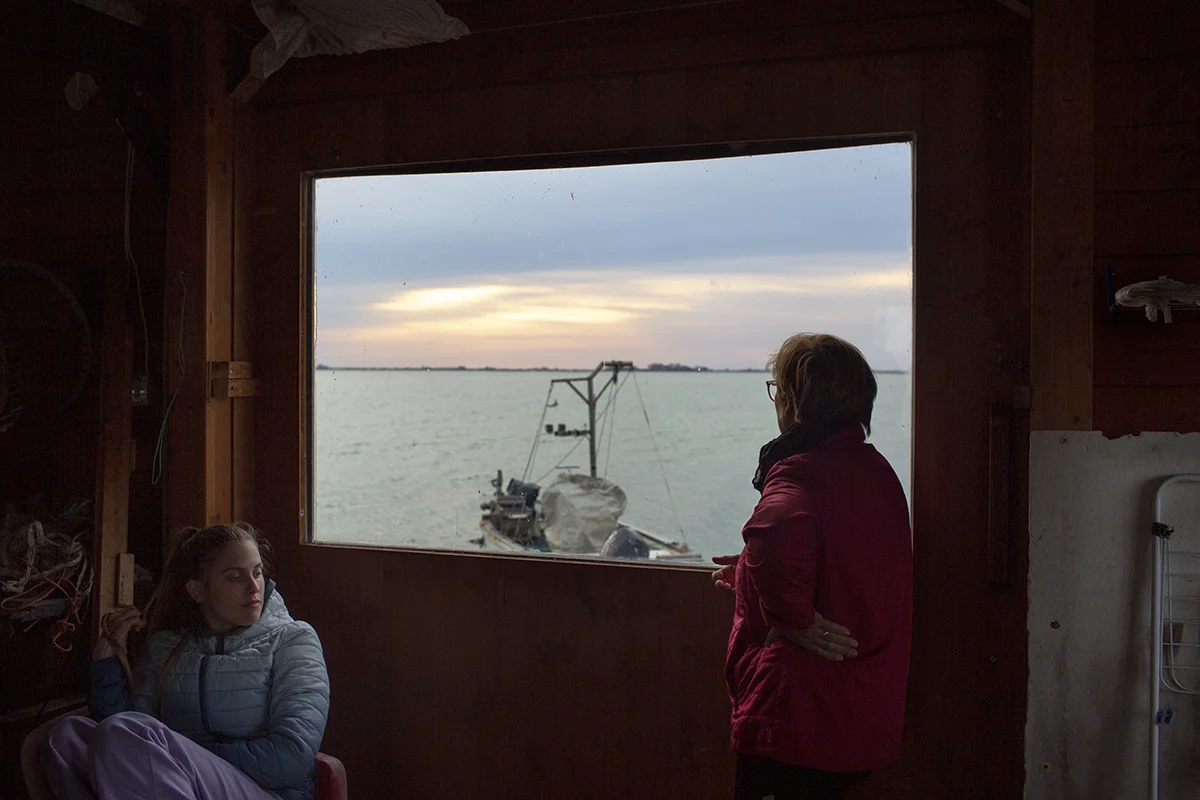
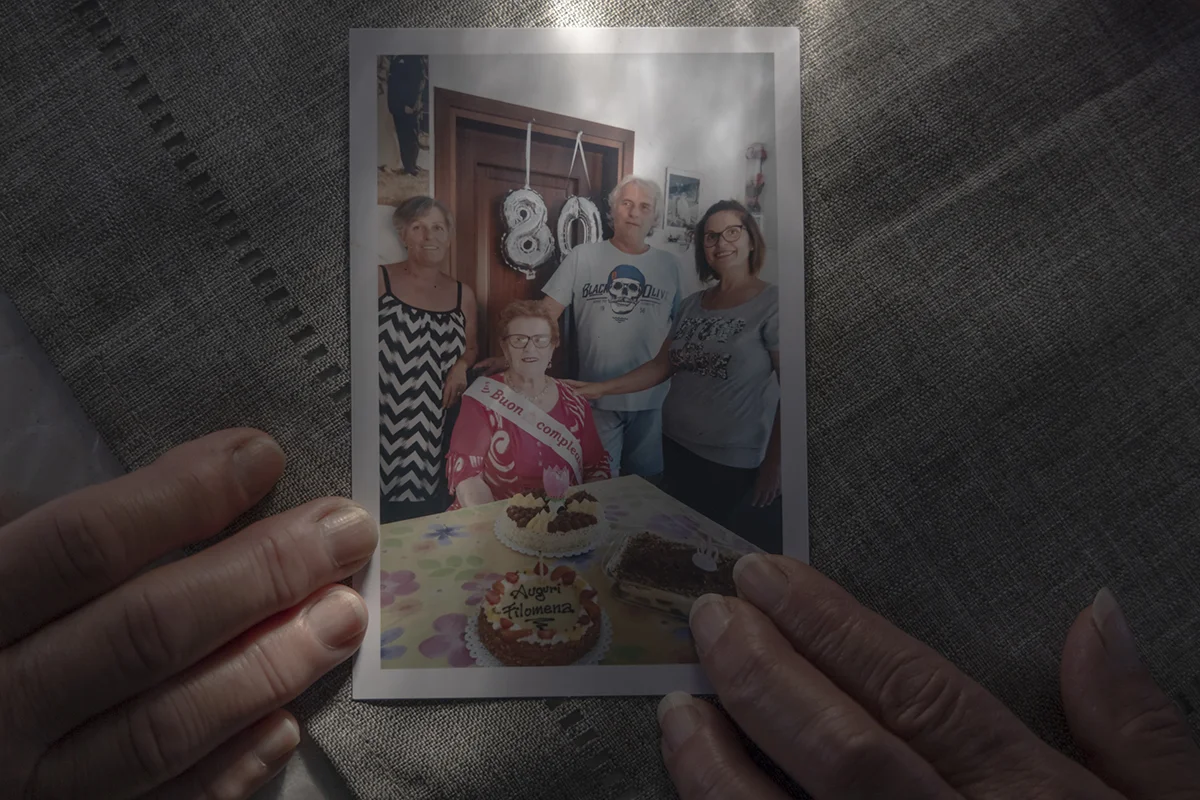
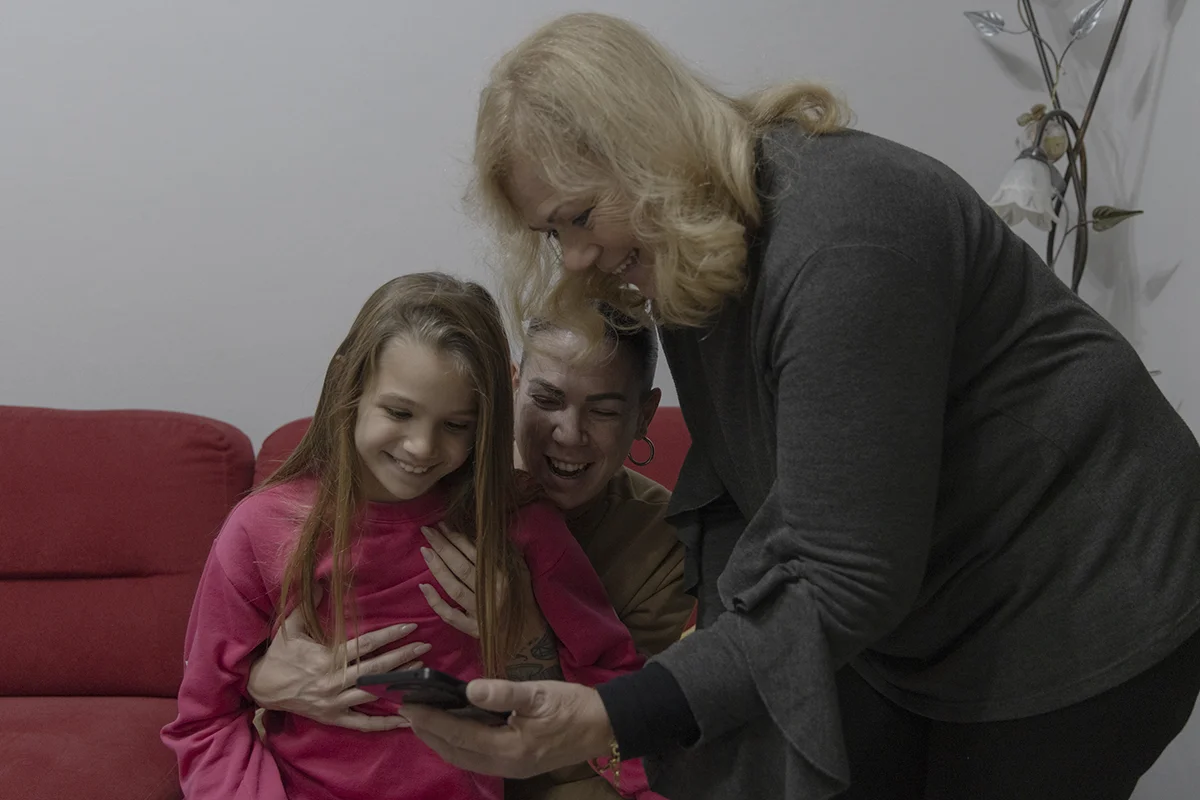
Life in the delta, isolated from major cities, seems to move at a slower rhythm, preserving forms of connection that elsewhere have faded. I saw this especially among women. Sisters who call and meet every day, friends who care for each other's children, grandmothers picking them up from school, and friendships that feel more like chosen kinship. The same solidarity that holds families together at work continues on land, shaping a deeply interconnected community.
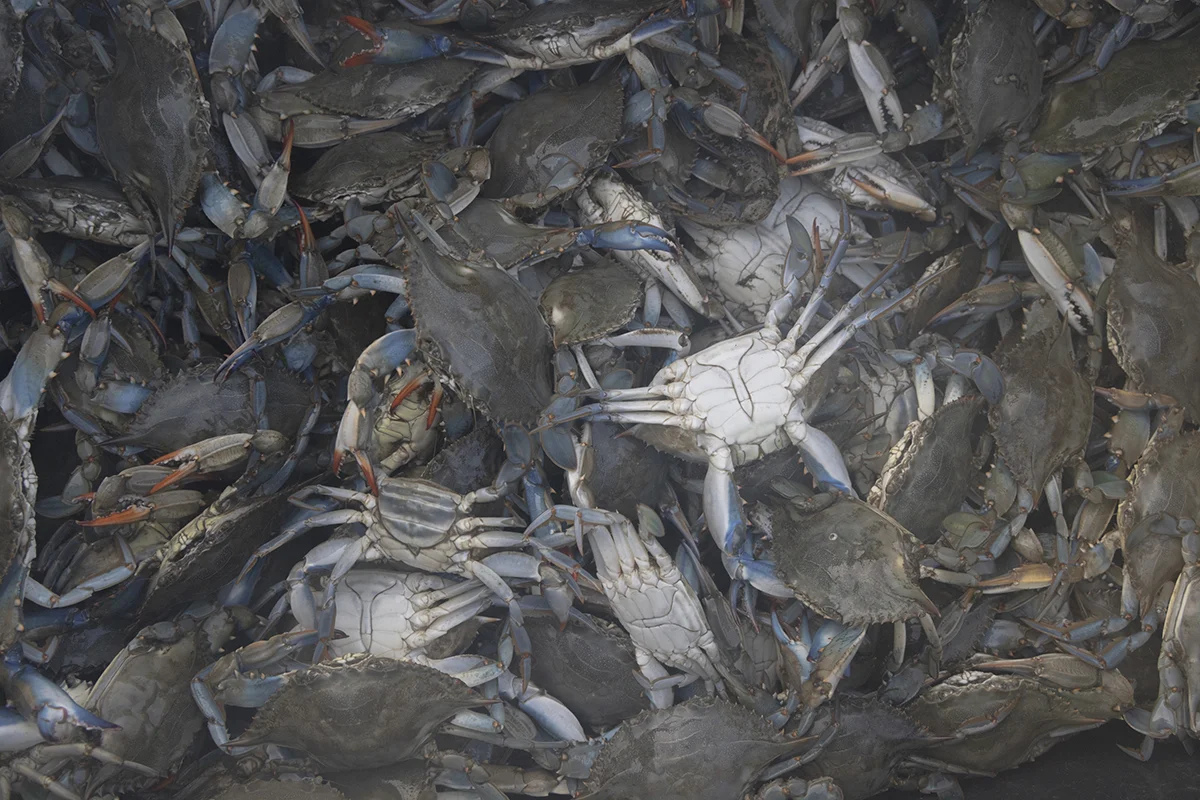
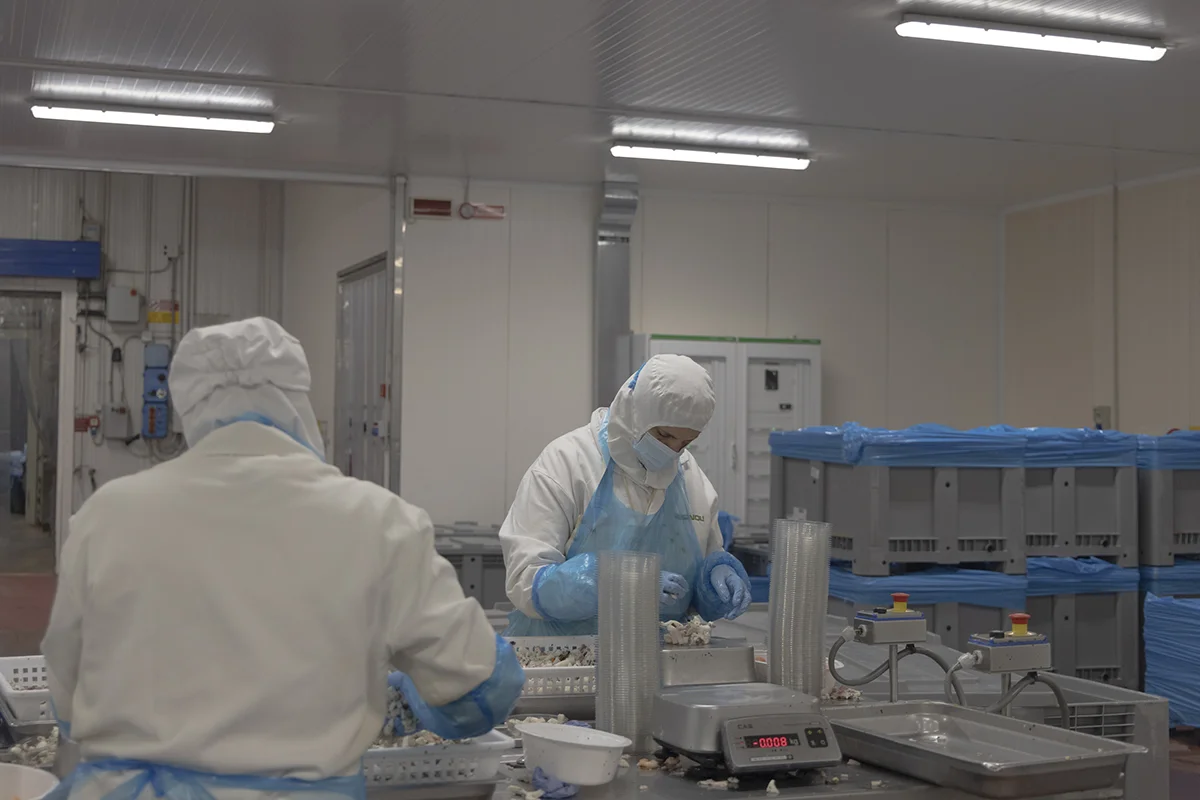
In 2023, the region was struck by a severe ecological crisis with the arrival of the blue crab. The invasive species devastated the clam beds, destroying young clams and causing production to collapse. What had long been a sustainable livelihood and a cultural foundation of the area was suddenly under threat. Many fisherwomen were forced to abandon their work and, with it, a tradition that had shaped family structures, local economies, and a shared sense of belonging. This environmental rupture expanded the project, revealing a deeper narrative at the intersection of ecological fragility and cultural survival. Once again, these women found themselves facing a crisis. And like the tide, as something disappears, the possibility of renewal begins to form.

What is the value of generations coming together in programs like this?
Angela Franceschetti (27): “For me, it lies in the exchange of knowledge and experiences that enriches us all. Older generations pass on memory, wisdom, and expertise; younger ones contribute innovation, fresh perspectives, and energy. Together, they create a dynamic balance where tradition meets progress, and learning flows in both directions.”
Life expectancy 2023















.svg)


