
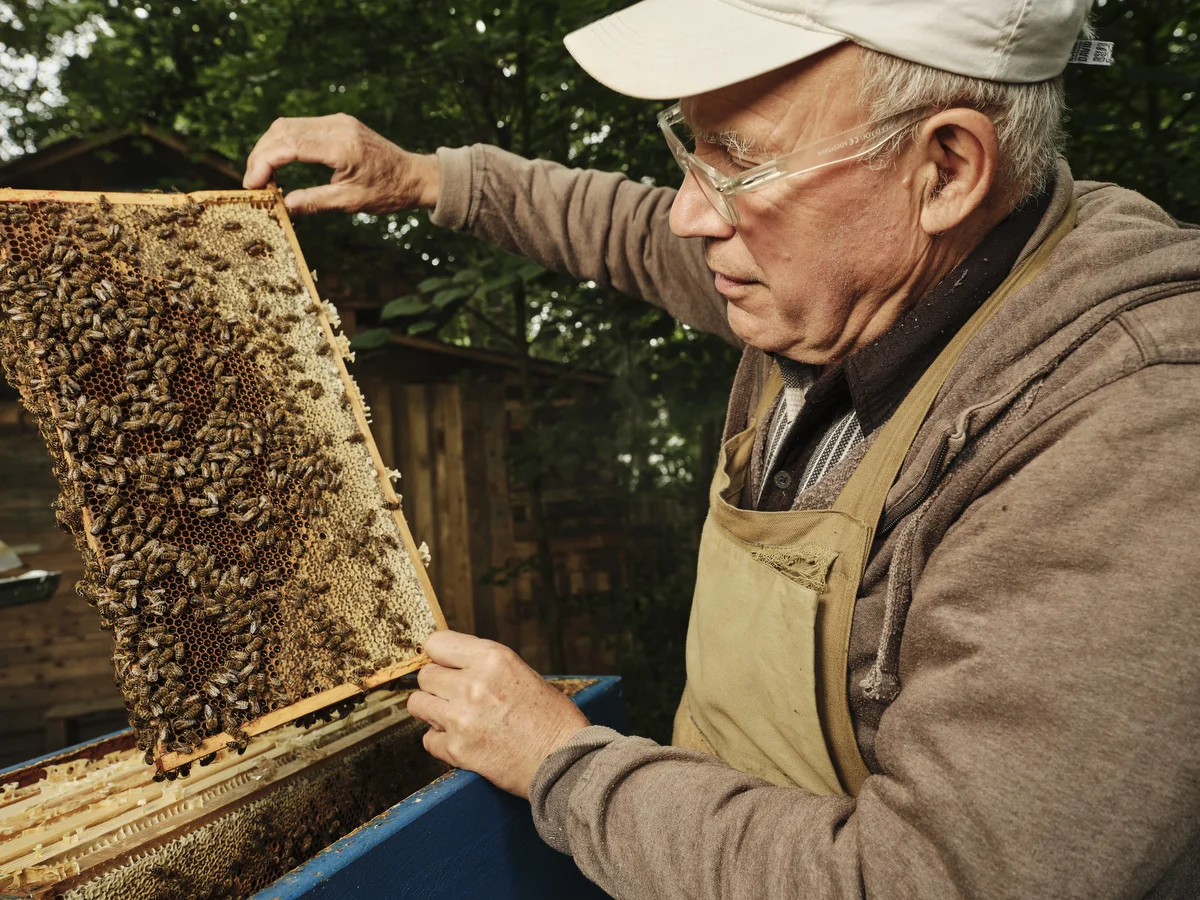
In Ukraine, Olenchenko had worked as a measurement and control technician for 40 years before retiring. But bees have been a part of his life for almost as long: As a five-year-old, he kept them in matchboxes; at ten, a neighbour gave him honey and told him that if he placed a hive next to a gooseberry bush, the bees would come on their own.
Back then, Olenchenko ate almost all the honey himself and forgot about the hive. Family and neighbours helped, and his first attempts turned into a hobby: He watched a beekeeper at a kolkhoz across the street, was given a book, and subscribed to a beekeeping magazine. At first, it was curiosity, and a love of honey. Later, he became interested in observing; he wanted to find out why they behave the way they do and how they communicate. Therefore he never shied away from stings or hard work.
For decades, that meant getting up at five o’clock, driving 12 kilometers to his parents’ village, and being back in Nischyn at his job by eight. Sometimes he tended to 55 colonies, and harvested two tons of honey. The whole family had to pitch in. For him, vacation meant loading the beehives onto his son-in-law’s truck and driving three hundred kilometers to a beautiful valley, a place of power, as he says, and letting the bees buzz among the acacia trees for 14 days.
But in the war, after a Russian missile struck right next to him, he and his wife packed their things and followed their daughter to Bielefeld, Germany. It was hard for him to leave the bees behind in Ukraine. He had a feeling: the relative he’d entrusted them to didn't treat them well and the colonies starved to death.
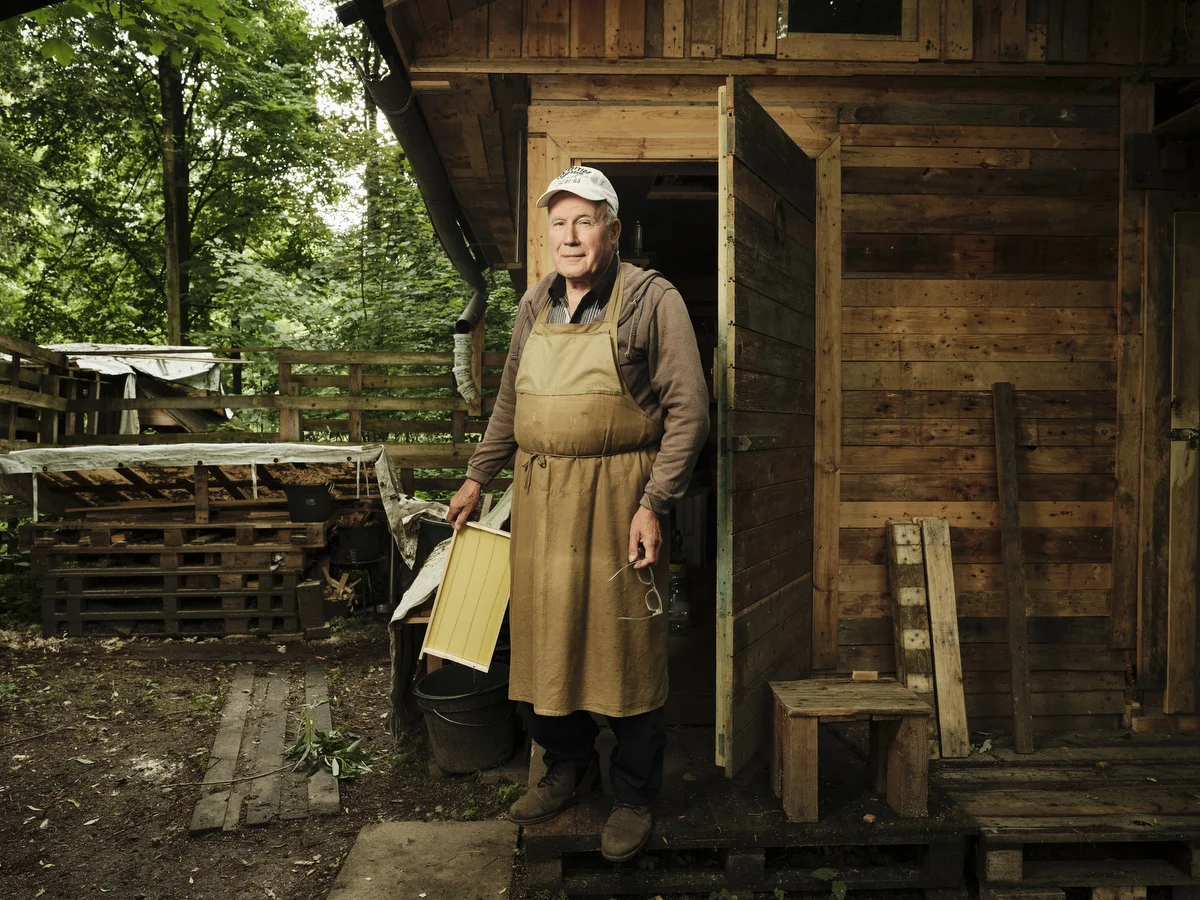
But just two months after Olschenko arrived in Germany with his wife, he resumed his hobby. He found a spot near a playground and set up a refuge, complete with hut, bench, stove, and, of course, with bees."


How old are you and how old do you feel?
Sometimes I feel like I'm 73, sometimes like I'm 53, but I still find myself checking out younger women (laughs). "I have a ritual: After getting up, I drink a glass of warm water with lemon and, of course, honey. Then I do exercises for my body and for my eyes.


What helps you maintain your physical, mental, and social well-being?
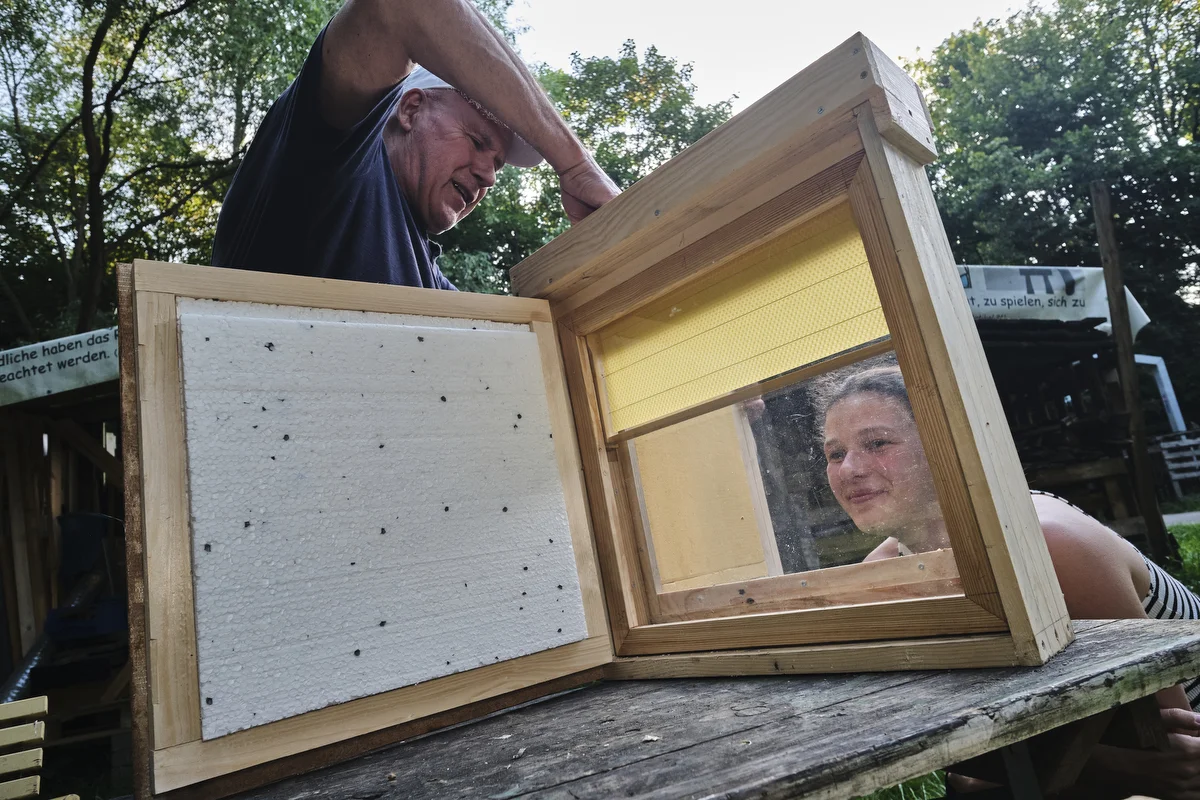
For my mental health, I think my bees are important. And that’s why I still go to work. I drive people with disabilities. That’s also a distraction so I don’t have to think about home.
It was always like that in Ukraine: Retirees still grew potatoes and worked in the garden. And back in the day, I used to go hunting or fishing with my friends. Hunting is difficult here. And it’s expensive, too. And my eyes aren’t what they used to be either… well, and there are so many rules here.
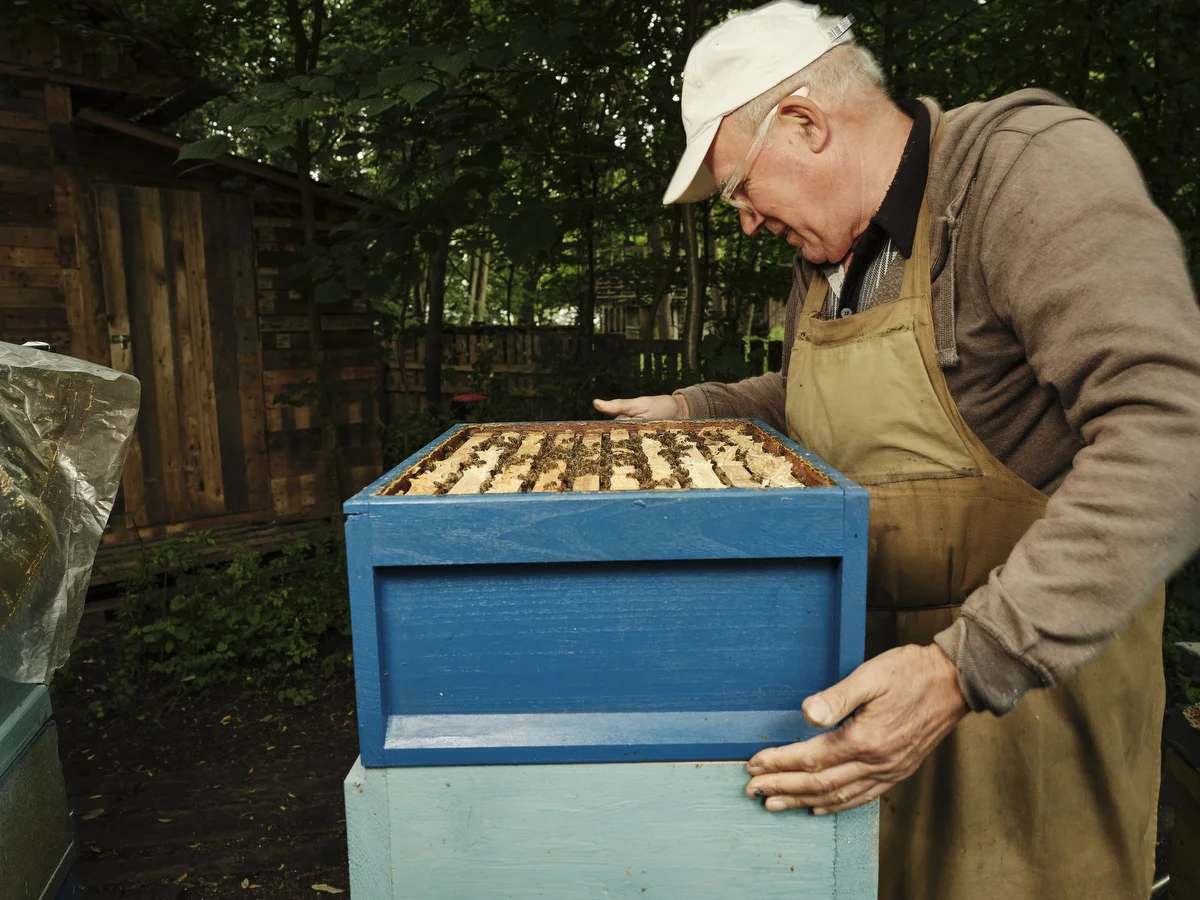
But as for the bees, my main hobby and my reason for living, so to speak, I started that up again almost immediately after we got here: We arrived at the end of April 2023, and by the end of June, we had two beehives; we’d bought them from the place where we are now.
Yes, and of course we’re also donating to Ukraine to support the armed forces. You don’t just do something like that for others, you do it for yourself as well: that small donation we’re sending gives you the feeling that you’re not just sitting here doing nothing. Instead, it means: I’m doing what I can for you back home. It gives you that sense of community. Yes, that’s very important to me."

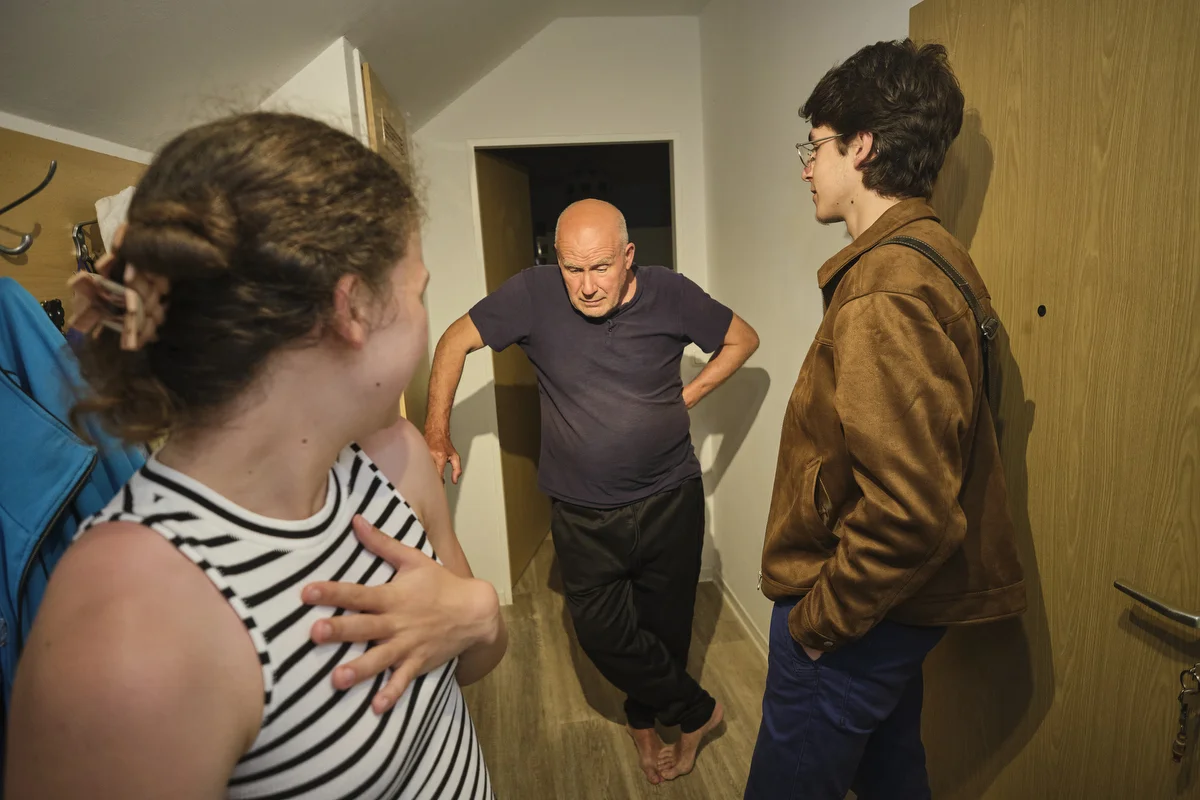
What advice do you have for aging well?
The thing is, you have to stay human in this world and not just focus on things, I mean, material things, but you have to do something for your soul. That’s important. And you have to keep moving, that is, keep working, while you’re still able to. Life is so short, and there are so many interesting things in the world. That’s also the reason I built the garden shed: It was just fun. The second reason, of course, is that it was cheaper than buying something ready-made. I don’t understand people who just sit around doing nothing, aren’t interested in anything, and just kill time.
Life expectancy 2023













.svg)


