

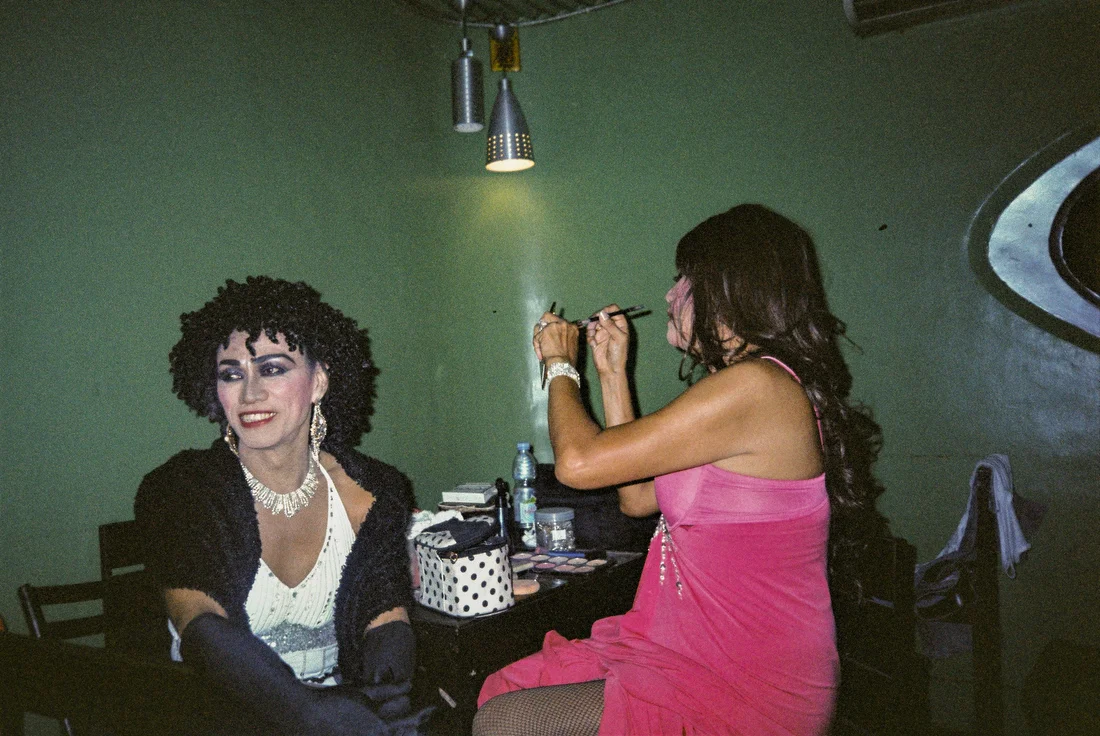
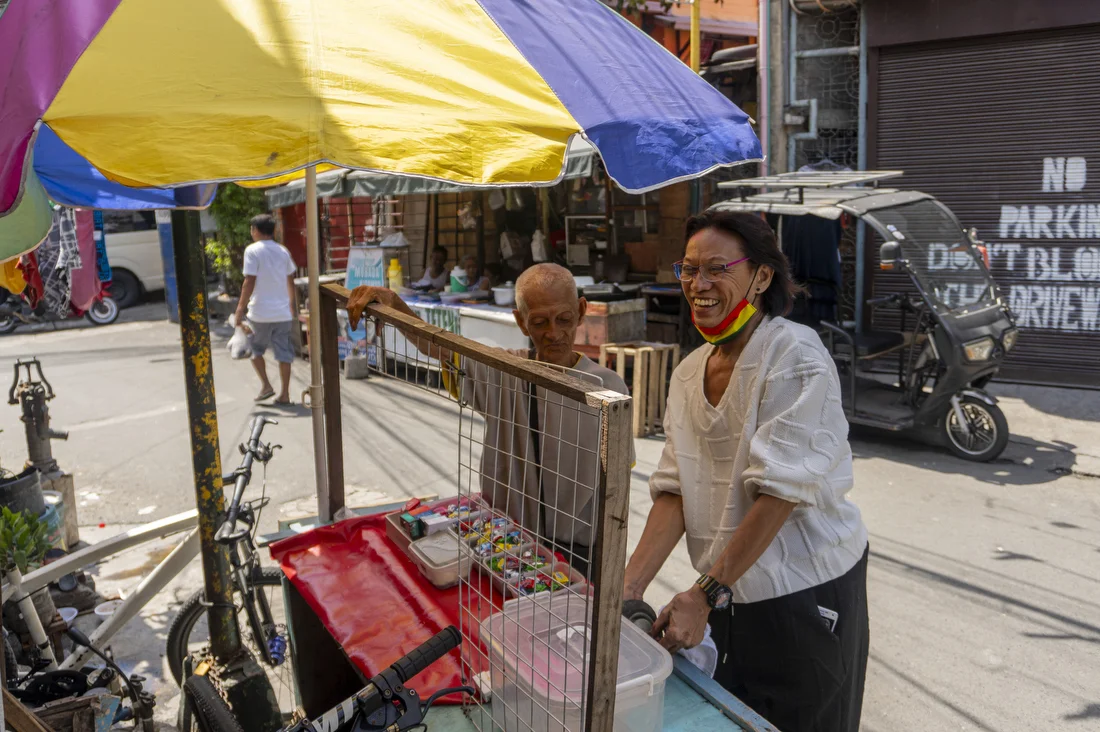
Manila is one of the world’s most densely populated cities, bustling day and night, where many people live paycheck to paycheck. Sixty-five-year-old Rey Ravago is one of them. To make ends meet, he takes on many roles: massage therapist, part-time street sweeper, hairstylist, and, for the past 40 years, drag performer.
Ravago is also a staunch advocate for the Anti-Discrimination Bill, a long-contested piece of legislation first introduced to the Philippine Congress in 2000. The bill seeks to protect people from gender-based violence and discrimination while safeguarding freedom of expression. More than two decades later, it remains stalled, making it one of the slowest-moving pieces of legislation in the country’s history.
The predominantly Catholic Philippines is also one of only two countries in the world where divorce remains illegal, while same-sex marriage continues to face strong opposition from Christian groups and conservative politicians.
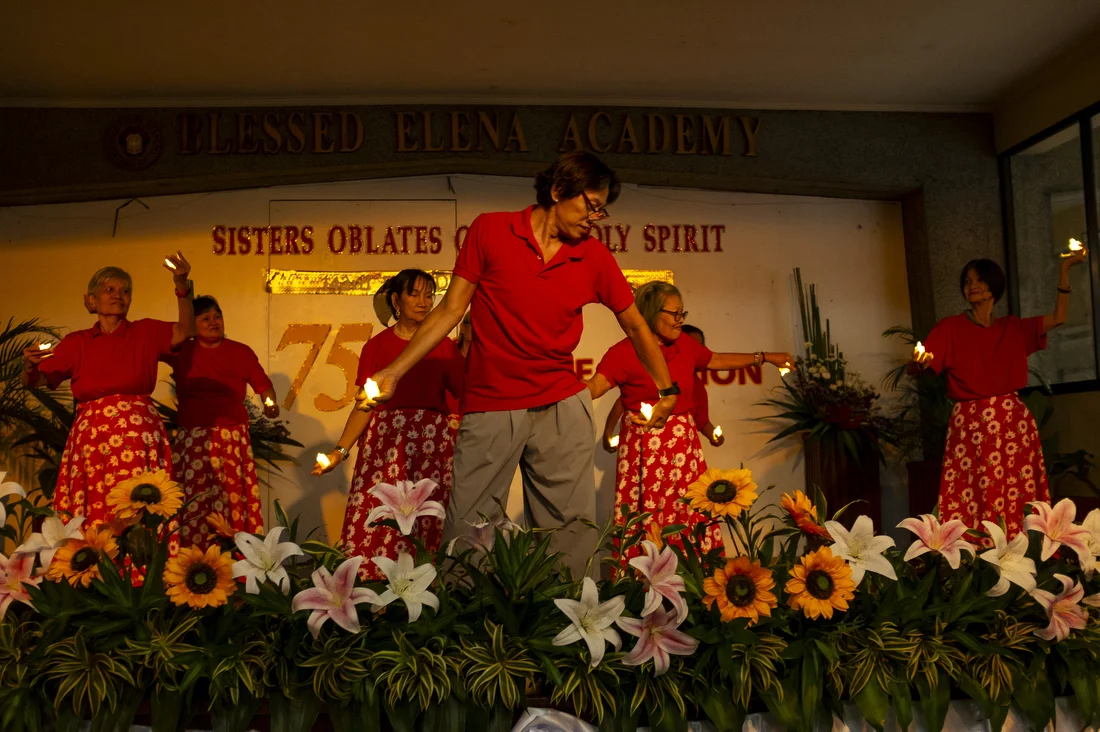
The absence of legal protections for LGBTQ people, combined with limited support for an aging population, creates particular challenges for older members of the LGBTQ community. Many face stigma, isolation, and unequal treatment. LGBTQ elders are more likely to be single, childless, or estranged from their families, often relying instead on chosen families, close friends, and the support of their communities.
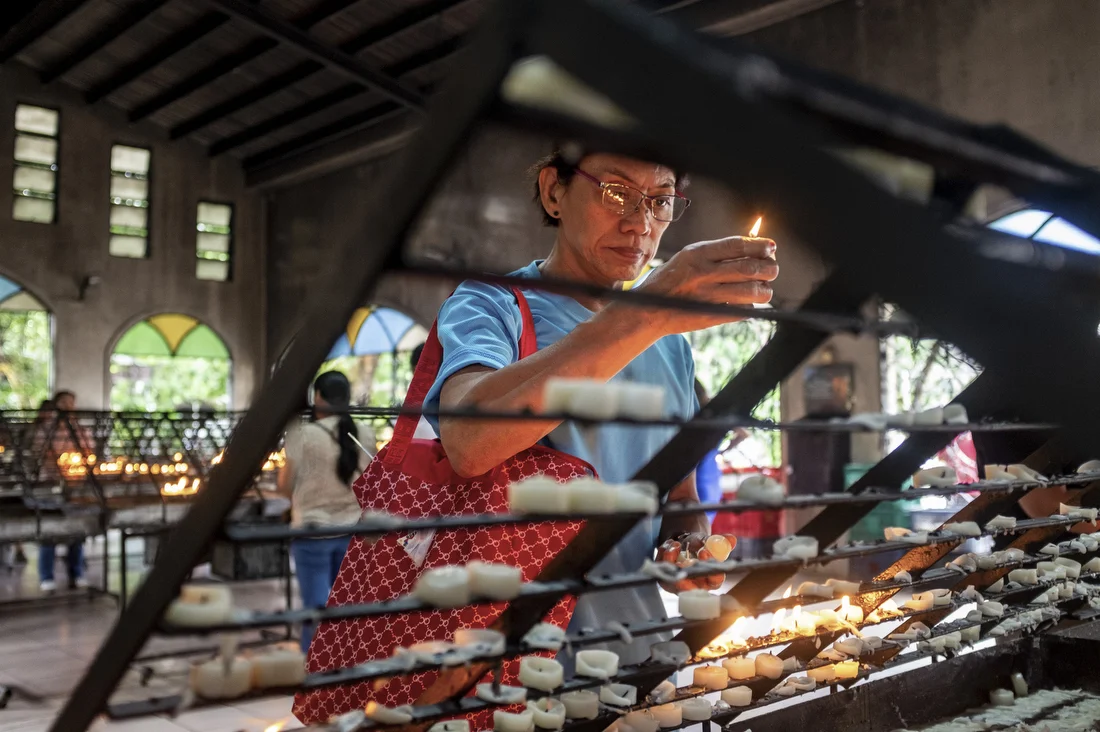
Despite the hardships of daily life, Ravago finds joy and purpose. He volunteers his time to advocate for LGBTQ rights and works to challenge perceptions of the aging gay community in the Philippines.
The project title, This Is My Life, is taken from a song popularized by legendary singer and gay icon Shirley Bassey. Ravago draws inspiration from Bassey, channeling her strength, glamour, and confidence through his performances.


Why did you retire or why are you still working?
Why did you retire?
Why are you still working?
I often experience aches and pains, like many senior citizens. As we grow older, we become more vulnerable to illness. We need medicine, nutritious food, and proper care to stay healthy and spend more time with the people we love.
But not everyone can afford these things. That is why I continue to work. I want to support myself so I will not become a burden to others. I still want to contribute and remain useful to society.
Our leaders should create more job opportunities for older people—not only for us today, but for future generations, because all of us will eventually grow old. I only hope that in the final years of our lives, we will not have to struggle so much.



Life expectancy 2023











.svg)


